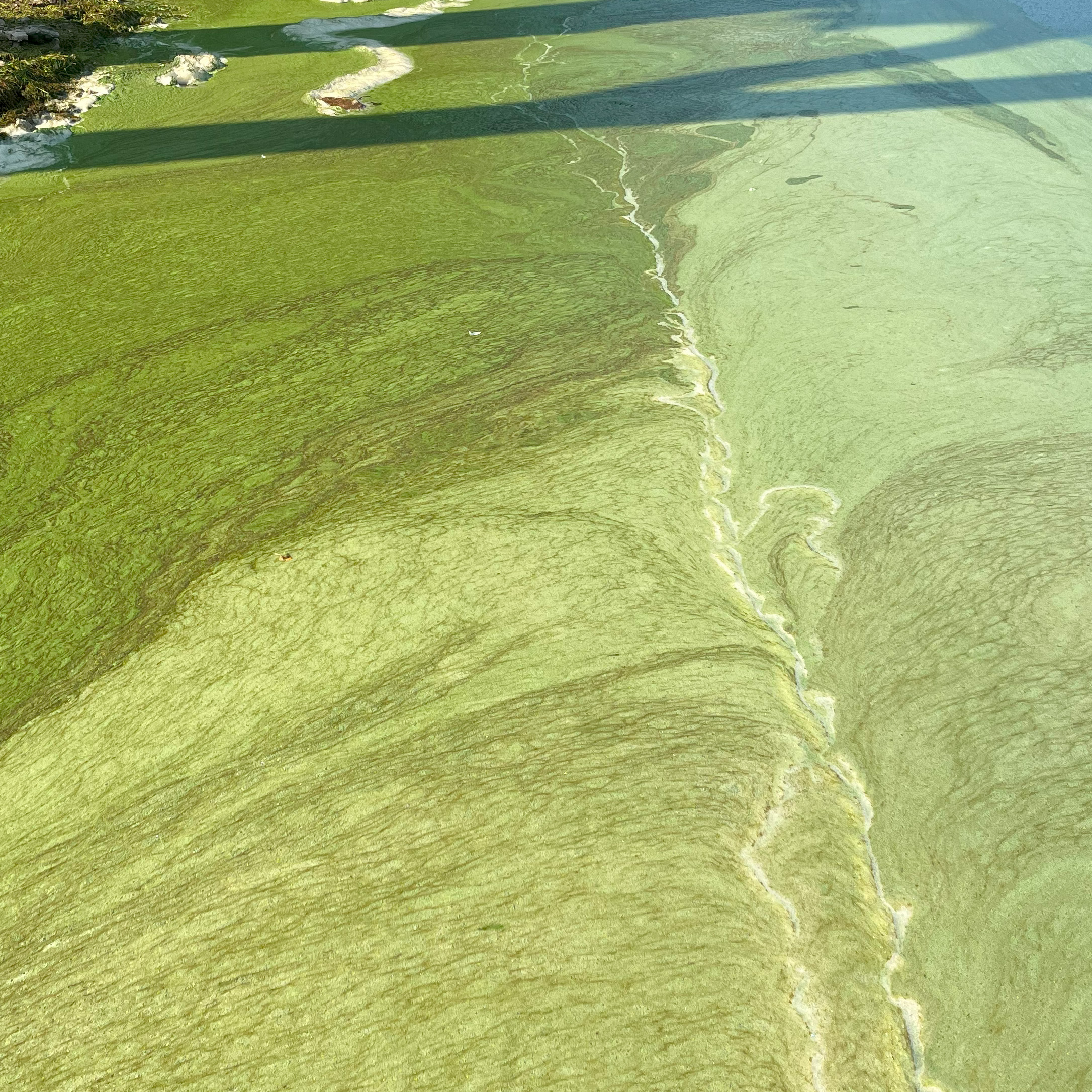
Not all green in the water is bad. But some of it is.

Learn how to tell the difference, how to stay safe, and how to report what you see.

what is harmful algae?

Algae are a normal part of every lake, including the ones across the Fox-Wolf watershed. But sometimes, algae grow out of control. When that happens, we call it harmful algae or a harmful algal bloom, often shortened to HAB or HABs.

These blooms are supercharged by hot, sunny weather after heavy rain and can produce toxins harmful to people, pets, and wildlife.

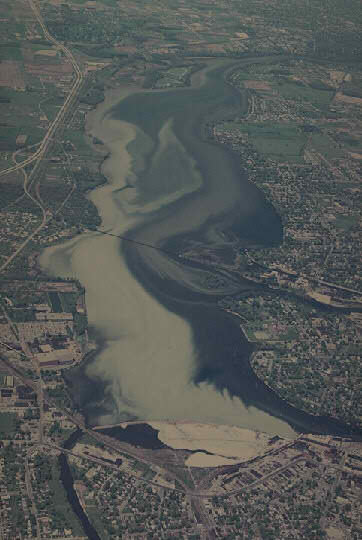
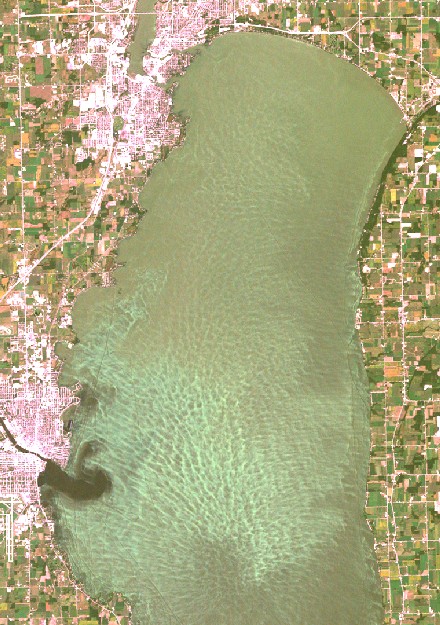
in our region, harmful algae have been reported across:
why it matters

If you spend time near the water, it helps to know the difference between regular green water and something that could make people or pets sick.

Harmful algae can:

  • Cause rashes, stomach issues, or breathing problems

  • Be dangerous or even deadly for dogs

  • Make lakes less safe for swimming, paddling, or fishing
how to spot harmful algae (HABs)

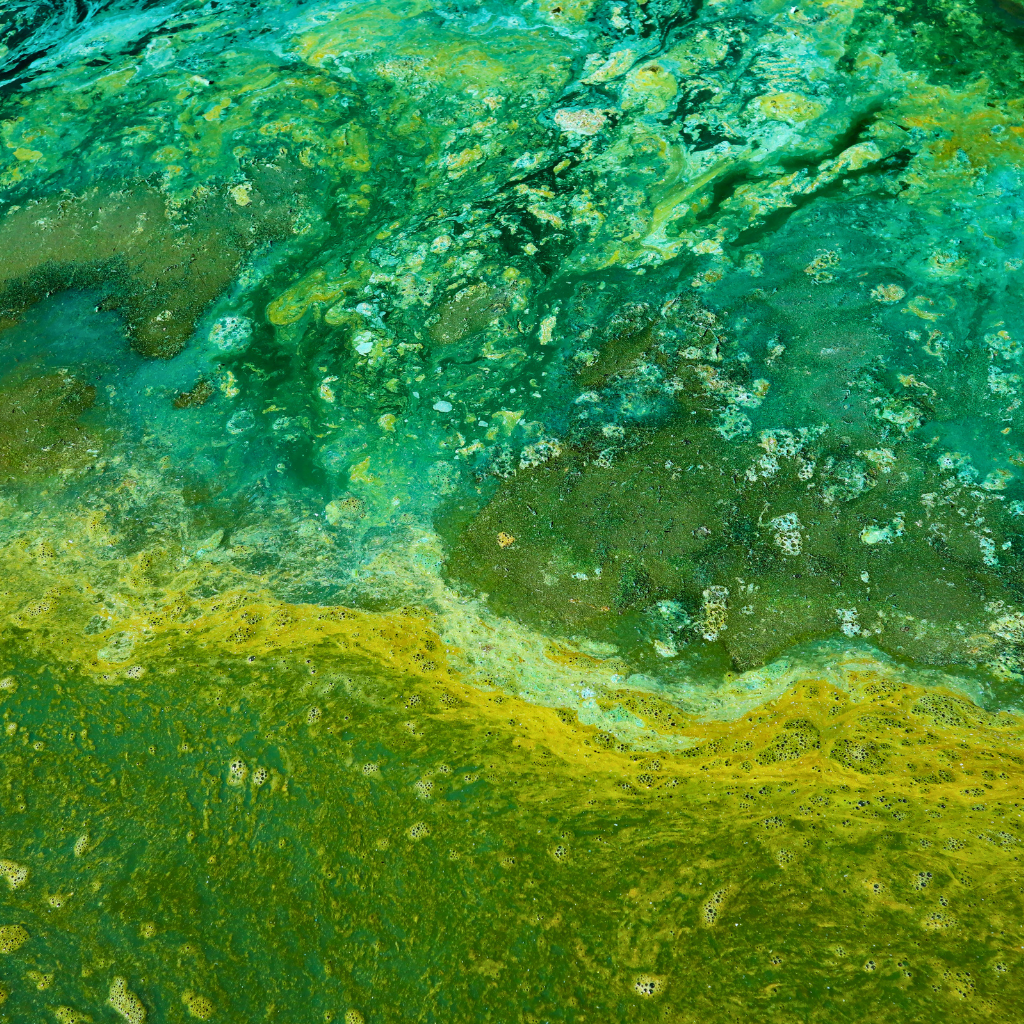
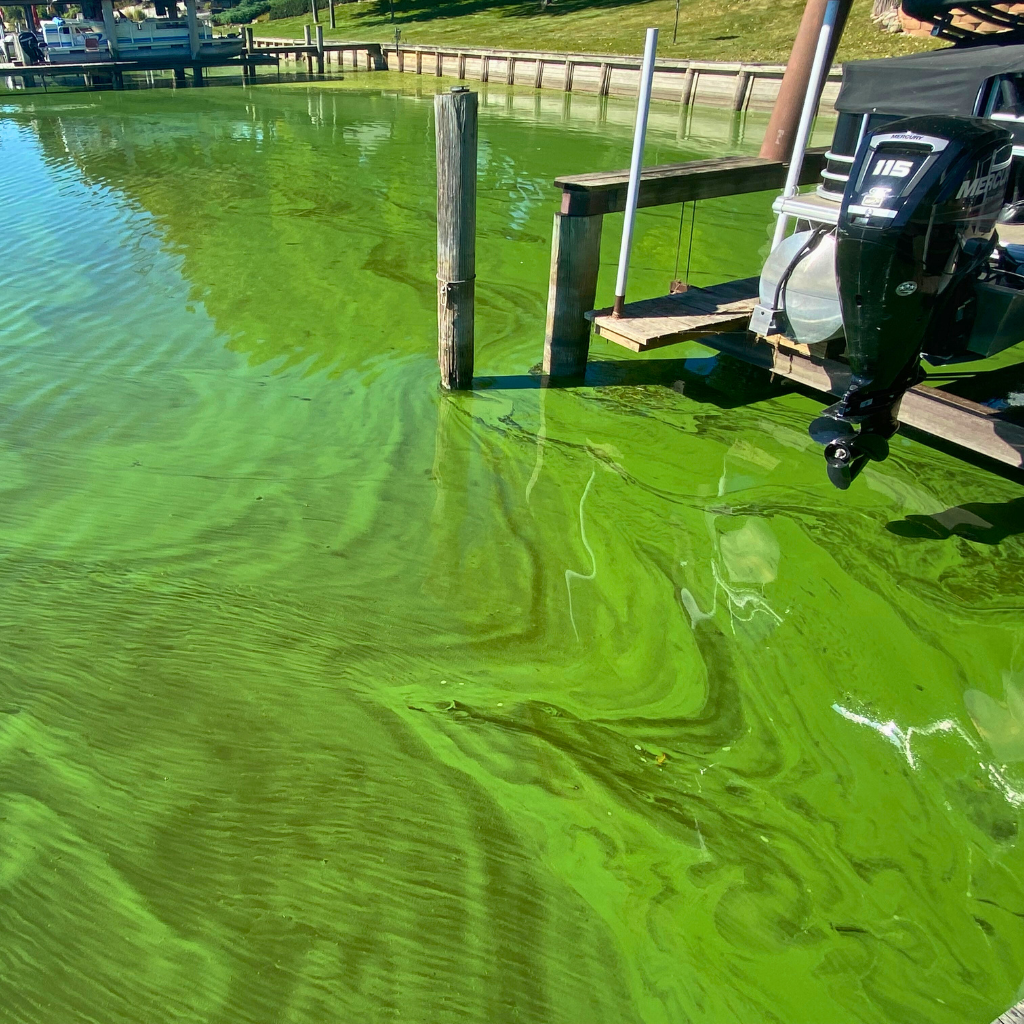
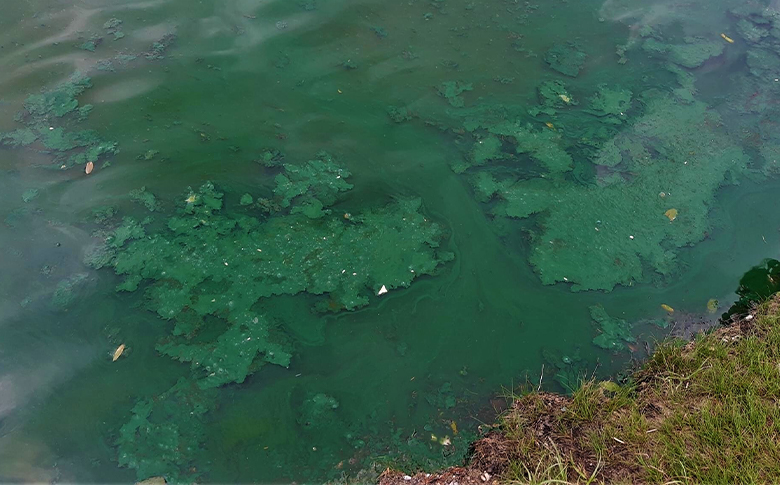
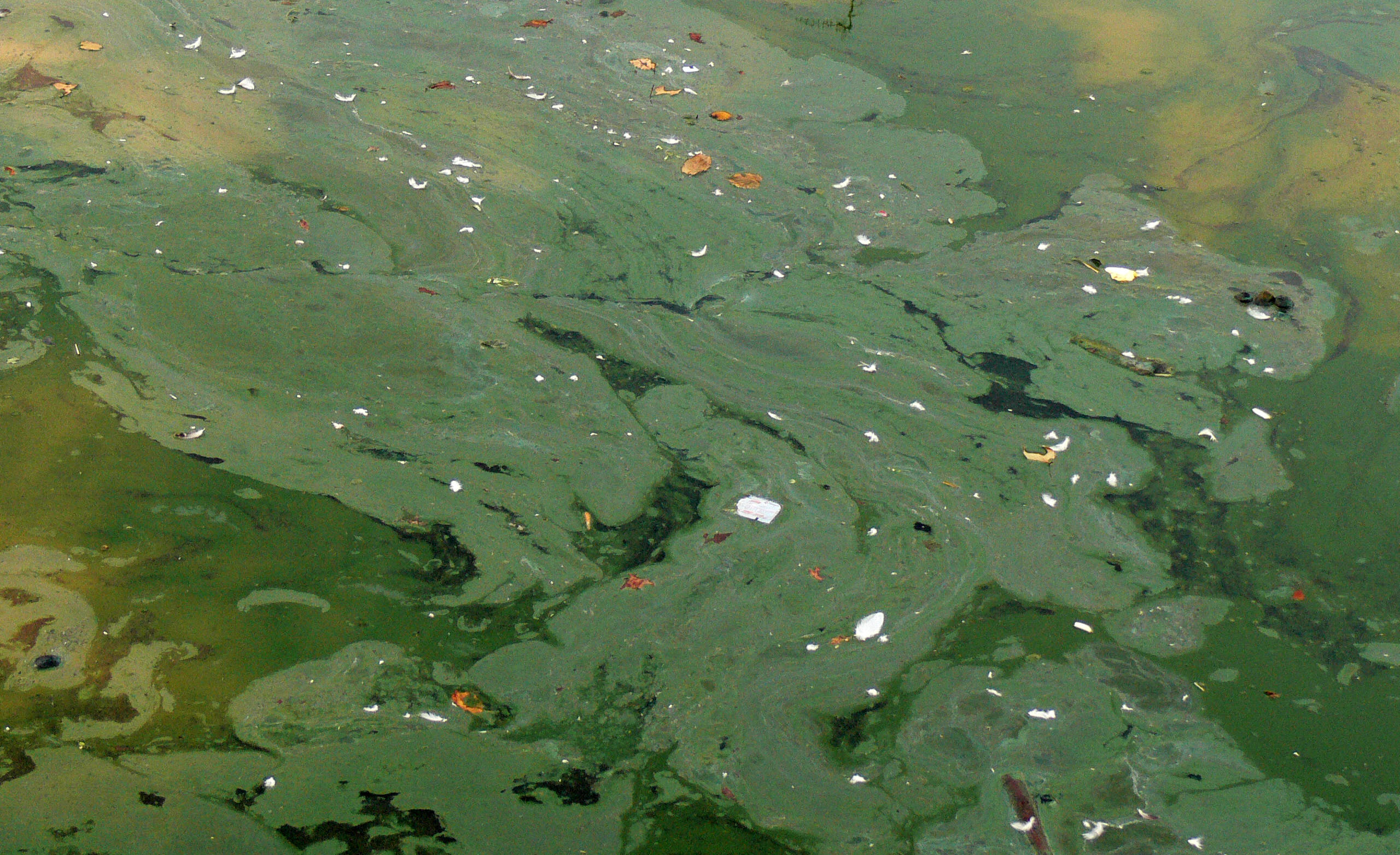
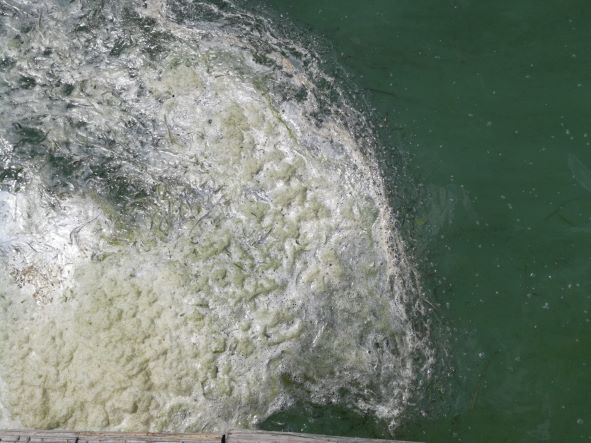
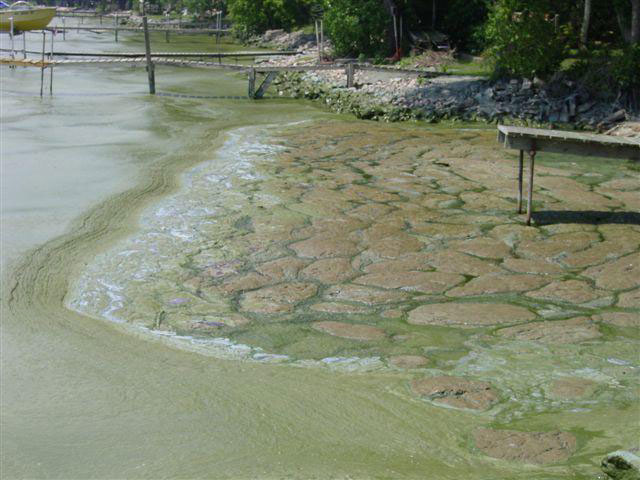
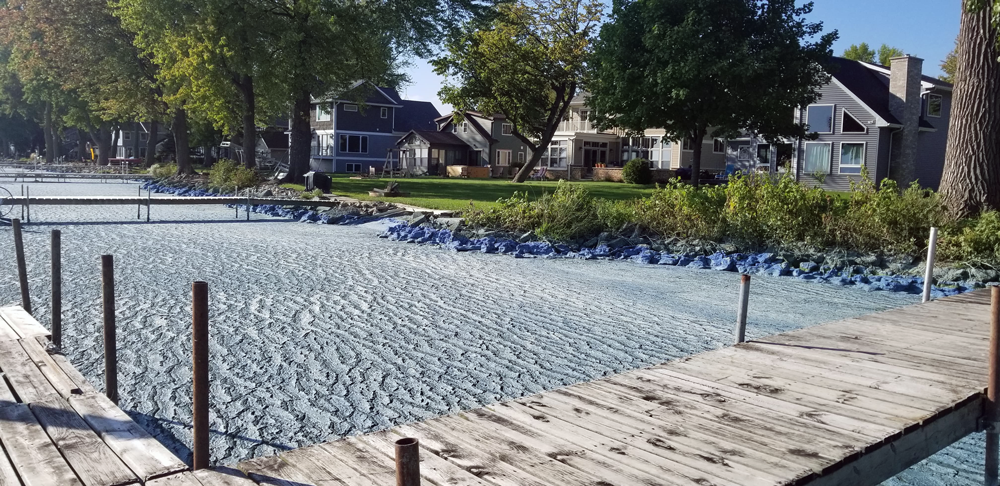
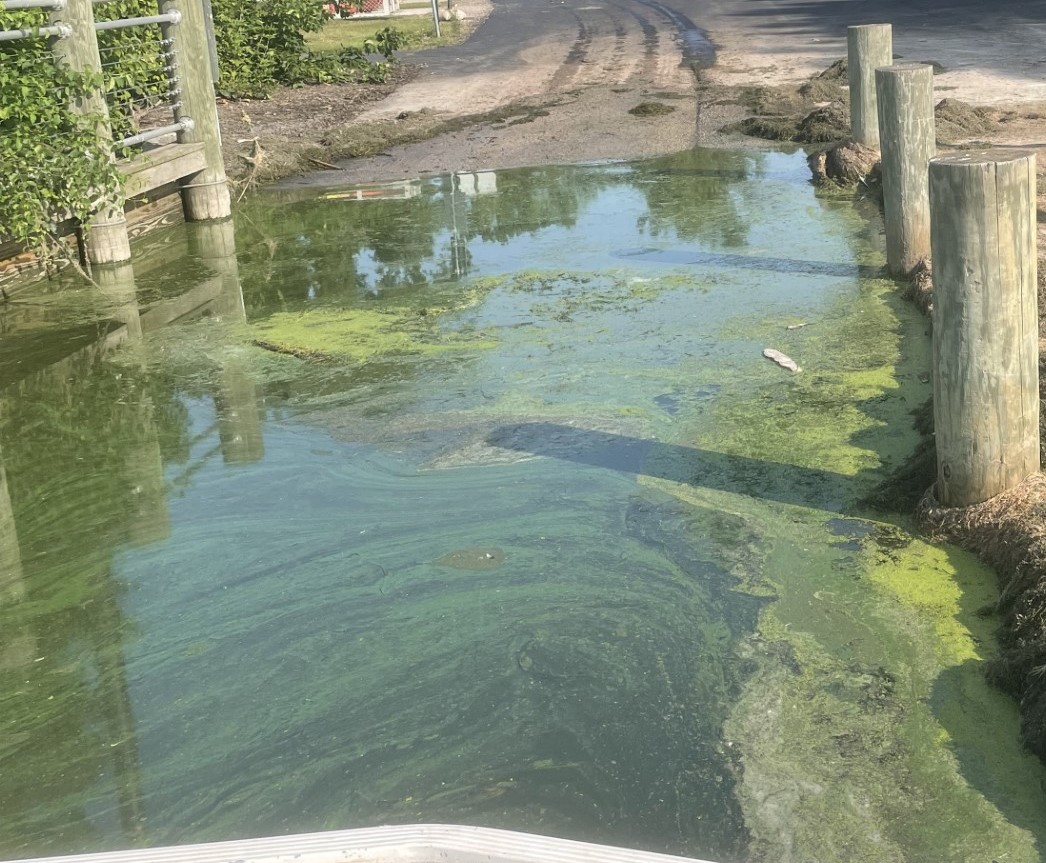
Harmful blooms don’t always look the same. Some sit on the surface like green paint. Others float in clumps or swirl near the shore. Some smell like rotten plants or musty water.

Watch for these signs on your lake:

Harmful algae are often bright green or blue-green, but not always. They can also appear brown, red, or even white when they’re breaking down or dying off.
Color alone doesn’t confirm if something is harmful. Always consider the look, smell, and conditions.

Even trained scientists sometimes need lab testing to confirm a harmful bloom. That’s why we always say

when in doubt,

stay out!

how to stay safe

Each summer, harmful algae pose risks across the Winnebago lakes. Dogs and kids are especially vulnerable. Even short exposure can be enough to cause harm.

  • Keep kids and pets out of green or scummy water

  • Don’t swim, wade, or fish near visible blooms

  • Rinse off with clean water right away if you come in contact

  • Don’t let dogs drink lake water or lick their fur after swimming

  • Call a vet or doctor if symptoms show up after contact

how you can help prevent harmful algae

Harmful algae grow when too much phosphorus and nitrogen end up in our lakes. These nutrients often come from fertilizer, pet waste, yard debris, or rainwater runoff.

You don’t have to live on the water to help protect it. And you don’t have to do everything on this list.

Small choices, made by a lot of people, add up to a big impact.

in your yard

in your yard

use less lawn fertilizer

don’t fertilize before rain

keep leaves and grass clippings out of the street

in your community

in your community

Pick up pet waste every time

Don’t dump anything down storm drains

Wash your car at a commercial car wash

in and on the water

in and on the water

leave plants along the shoreline to trap runoff

don’t feed ducks or geese, they’re waste fuels algae

if you see something, say something (report it)

Help Keep Our Lakes Safe: Report a Bloom

You know your lake best. If something doesn’t look right, let us know.

Your report helps track harmful algae conditions across the Fox-Wolf system. Reports are shared with the Fox-Wolf Watershed Alliance, UW Oshkosh HABs research team, and the Wisconsin DNR.

how Fox-Wolf is helping

We live here too! And we’re working every day to keep our local lakes safe, swimmable, and full of life. Here’s how we’re tackling the problem of harmful algae right here in the Fox-Wolf watershed.

watching the water

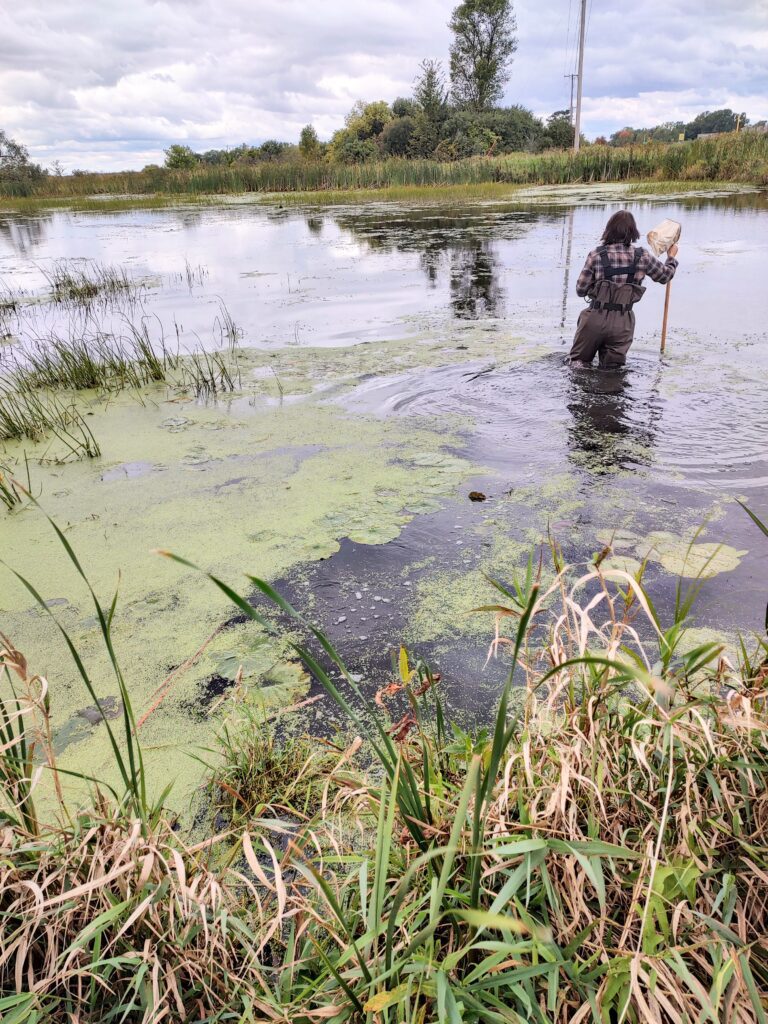
We track bloom conditions across the Winnebago Pool Lakes using real-time reports from people who live, work, and play here. The more we know, the faster we can act.

Working the Land

We partner with farmers to keep nutrients out of the water. That means more cover crops, less tillage, smarter fertilizing, and better buffers between fields and streams.

Rethinking Runoff

Water that hits pavement picks up pollution and carries it to our waters. We help communities plan rain gardens, improve storm drains, and reduce runoff at home.

Connecting People and Problem

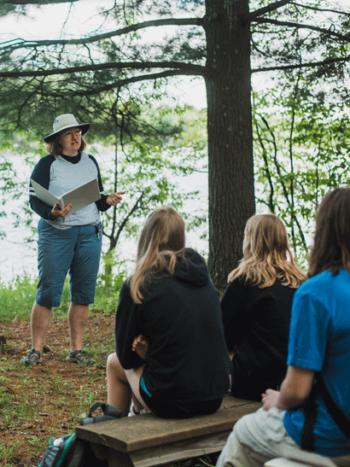
From school visits to lake signs to volunteer cleanups, we make sure people know what harmful algae is, why it happens, and how to help prevent it.

frequently asked questions

Harmful algae are fast-growing types of algae that can sometimes produce toxins. These blooms are often called HABs, which stands for harmful algal blooms.

Most algae in our lakes are harmless and even helpful, but certain kinds can grow too quickly in the right conditions. When that happens, they can affect water safety and lake health.

Harmful algae can take on many forms. Some look like spilled green paint. Others create thick scum or float in mats along the shoreline. Common signs include:

  • Bright green or blue-green water

  • Paint-like streaks or pea soup texture

  • Swampy or musty smells

Even trained scientists can’t always tell just by looking. It often takes a lab test to be sure.

That’s why we say: When in doubt, stay out.

No. Most algae are a normal part of the lake and aren’t dangerous.

But if the water looks especially thick, discolored, or has a strong smell, it could be a harmful bloom. If you’re not sure, it’s best to stay out and report what you see.

iIfIf you or your pet touch or swim through water that might contain a harmful bloom:

  • Rinse off with clean water right away

  • Keep an eye out for symptoms like a rash, upset stomach, or coughing

  • Contact a doctor or veterinarian if symptoms appear

Yes. Dogs are more likely to get sick because they often swallow water, lick their fur, or eat algae from the shoreline.

Even small exposures can be harmful, and in some cases, deadly. Keeping pets out of suspicious water is one of the easiest ways to protect them.

In the Fox-Wolf watershed, harmful algae are most often seen in:

  • Warm, shallow areas

  • Nearshore zones with little water movement

  • Places that receive a lot of runoff after rain

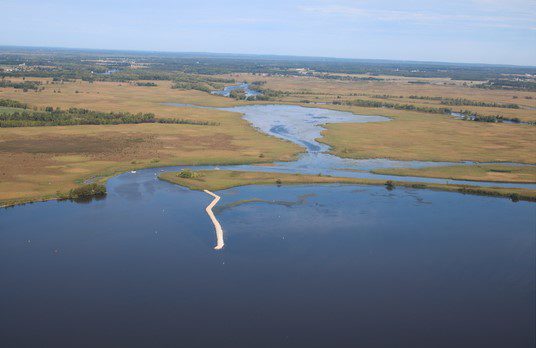
They’ve been reported across the Winnebago Pool Lakes, including Lake Winnebago, Lake Butte des Morts, Lake Winneconne, and Lake Poygan.

These blooms happen when the water has too many nutrients, especially phosphorus and nitrogen. These nutrients often come from:

  • Fertilizer

  • Pet waste

  • Agricultural runoff

  • Leaky septic systems

Hot, sunny weather and calm water help the algae grow even faster.

Yes, in many places they are.

Warmer summers, more nutrient runoff, and changing weather patterns are making harmful algae a more regular concern. That’s why public awareness and local reporting are so important.

Your report is shared with the Fox-Wolf Watershed Alliance, the UW Oshkosh HABs research team, and the Wisconsin DNR.

These partners use your information to track bloom activity, monitor trends across the lake system, and respond when needed.

You can help by reducing the nutrients that enter our lakes. A few simple steps include:

  • Picking up pet waste

  • Using less or no lawn fertilizer

  • Installing a rain barrel

  • Planting native plants along the shoreline

  • Spreading the word to neighbors and friends

Every small action adds up to better water quality for everyone.

Learn More: The UW Oshkosh HABs Project

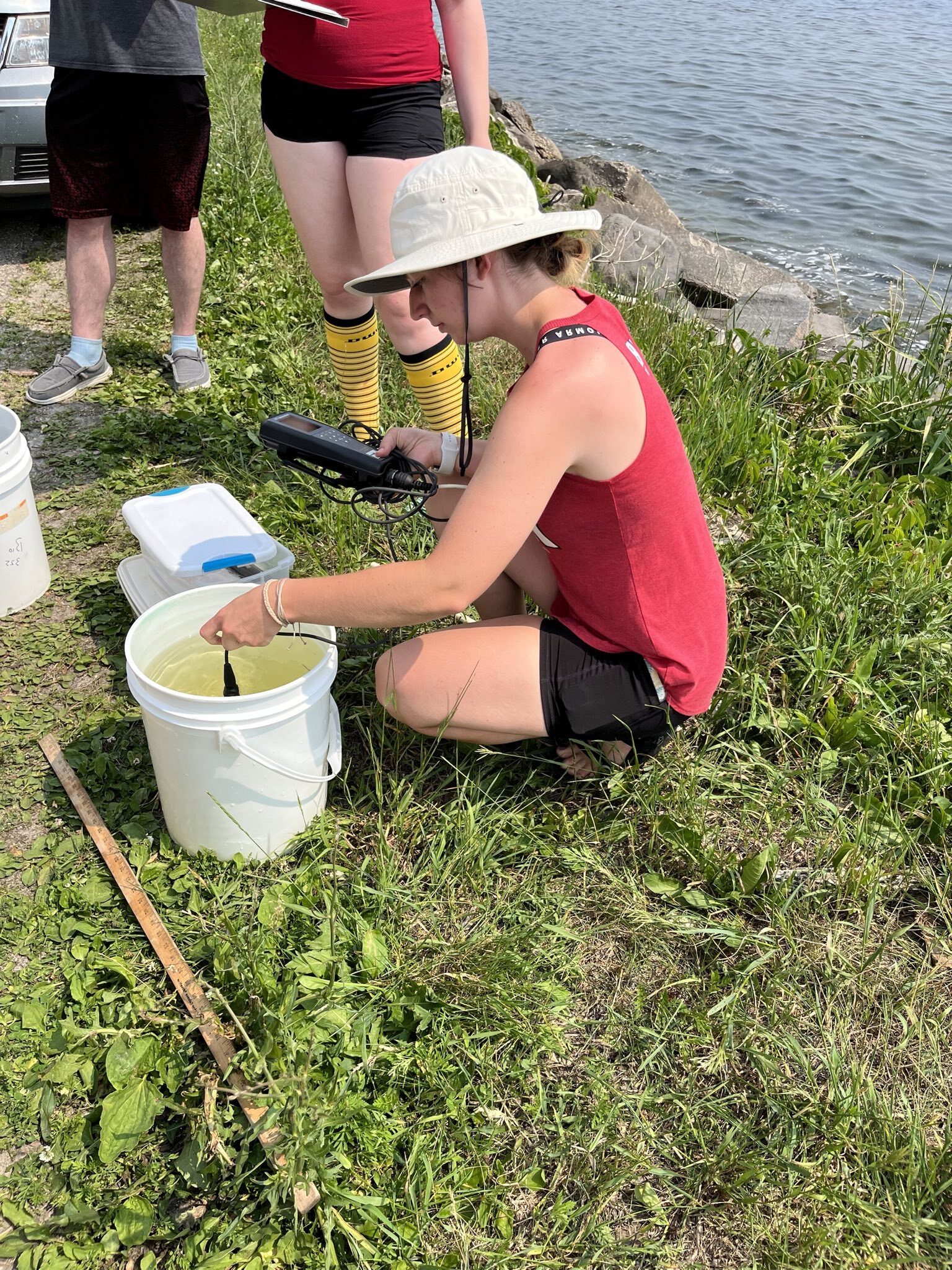
Scientists at UW Oshkosh are working right here in the Winnebago Pool Lakes to better understand harmful algae. Their research explores how these blooms form, how they affect our communities, and what can be done to prevent them.